AI in Hiring: The Legal Wake-Up Call Every Business Needs to Hear
AI in Hiring: The Legal Wake-Up Call Every Business Needs to Hear
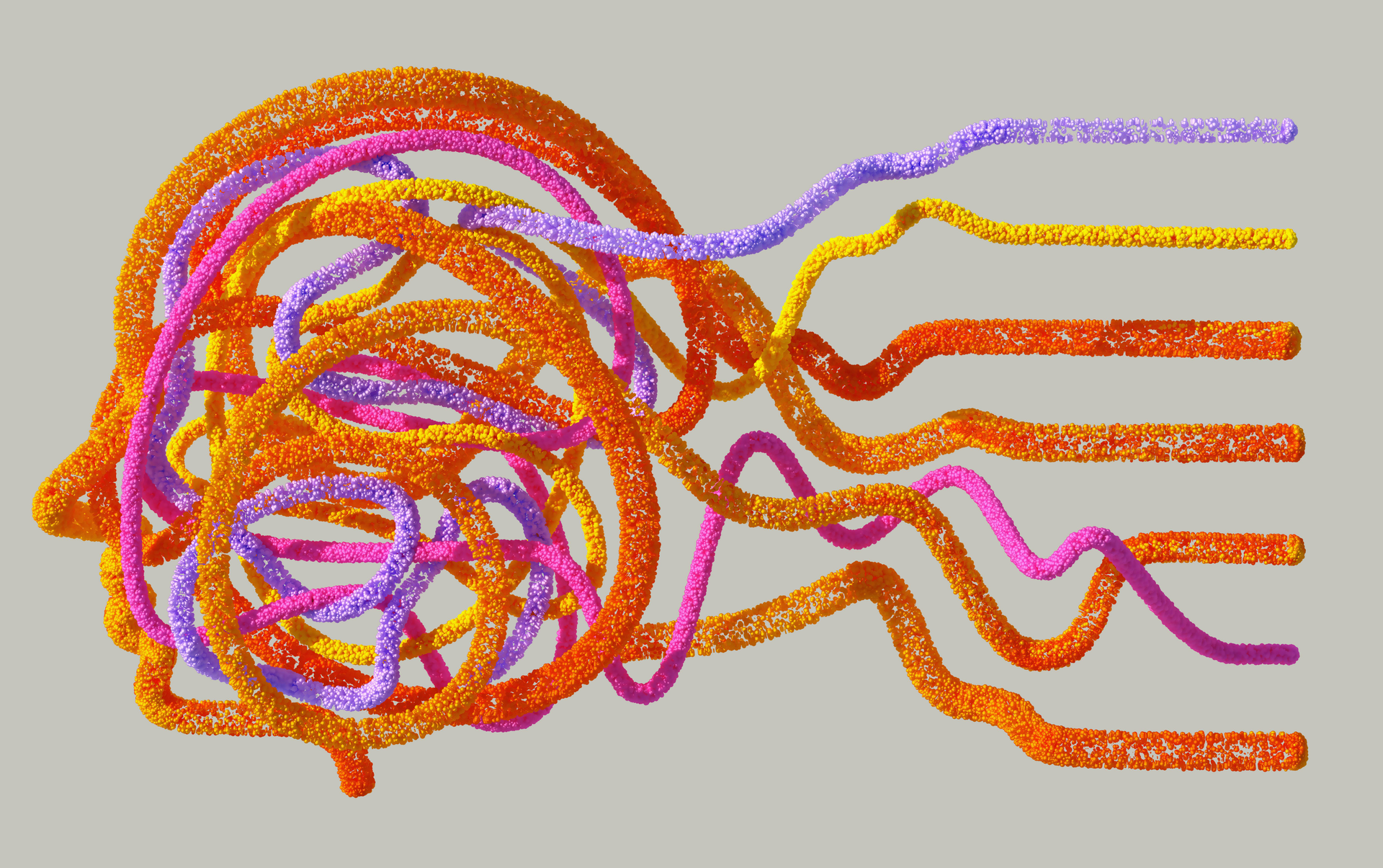
The recent lawsuit filed by Derek Mobley against Workday has sent shockwaves through the hiring world — and rightly so. Mobley, a qualified candidate with over 100 applications rejected, alleges that Workday’s AI-powered screening tools discriminated against him based on race, age, and disability. Whether or not the case succeeds, it’s a clear signal: AI in hiring is no longer a grey area — it’s a legal minefield.
The Problem: AI Is Powerful — and Potentially Dangerous
AI tools promise speed, efficiency, and scale. They can scan thousands of CVs in seconds, rank candidates, and even suggest interview questions. But when these tools operate without transparency or oversight, they can unintentionally replicate — or even amplify — bias.
The Mobley case highlights a critical issue: when algorithms make hiring decisions without human checks, companies risk violating anti-discrimination laws. And it’s not just the vendors who are liable — employers using these tools can be held accountable too.
The Solution: Build Fair, Transparent, Defensible Hiring Processes
This isn’t about ditching AI. It’s about using it responsibly. Here’s what companies need to do right now:
1. Audit Your Screening Tools
• Document how your AI tools work and what data they use.
• Test for adverse impact across protected characteristics.
• Identify any “knockout” criteria that automatically reject candidates.
• Ensure final decisions are made by humans — not algorithms.
Key takeaway: AI can assist. It cannot decide.
2. Fix Interview Compliance
Most interview training focuses on what not to ask. That’s not enough.
Your interviewers need:
• Structured training on assessing job-relevant skills.
• Clear frameworks for behavioural interviewing.
• Real-time support to catch and correct mistakes.
• Documentation of what was asked and answered.
If candidates are recording interviews, you should be too — with proper consent and governance.
3. Build Oversight Into Every Stage
You need visibility into:
- Why candidates are rejected at each stage.
- Whether interviewers are asking legal, job-relevant questions.
- What evidence is driving hiring decisions — and whether it’s defensible.
This isn’t surveillance. It’s accountability.
4. Accept That Humans Will Make Mistakes
Bias happens. Inappropriate questions get asked. Snap judgments are made.
The difference? Companies that catch and correct mistakes quickly:
- Flag problematic interview content.
- Provide coaching and retraining.
- Take disciplinary action when needed.
- Document everything.
5. Prioritise Fairness Over Efficiency
AI saves time. But if it creates discriminatory outcomes, the legal and reputational costs will far outweigh the benefits.
- Fairness must be measurable — not assumed.
- Why This Matters to Every Employer
- Even if you’re not using Workday, this case sets a precedent. Courts are starting to hold vendors — and employers — accountable for biased outcomes. That means every screening tool, every interview, and every hiring decision must be defensible.
Expect questions from legal and compliance teams like:
- How do we know our tools aren’t discriminating?
- Can we prove our hiring process is fair?
- What happens if we’re named in a class action?
If you don’t have good answers, now is the time to get them.
Conclusion:
The Mobley case is a wake-up call — but it’s not the last one. We’re entering an era of increased scrutiny around AI in hiring. The companies that thrive will be those that embed transparency, fairness, and human oversight from the start.
You have powerful tools at your disposal. Use them wisely. Use them fairly. And make sure you can prove it.
Because the next Derek Mobley might already have applied to your company.
💬 Let’s Talk
Is your organisation auditing its AI screening tools for bias? Are your interviews legally defensible? At Coreus, we help businesses build hiring processes that are not only effective — but fair, transparent, and compliant.
📩
Get in touch to review your hiring systems or book a consultation.
🔗 Book a meeting with me | 🌐 Email david@coreus.co.uk
Talent Acquisition Best Practice